Pollution

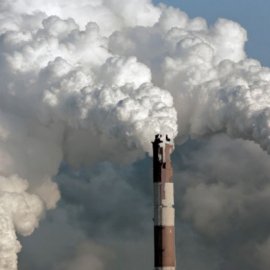
Chemicals and trash, most of which comes from land sources washed and blown into the ocean

Waste-Free Ocean

You may need: Adobe Flash Player.

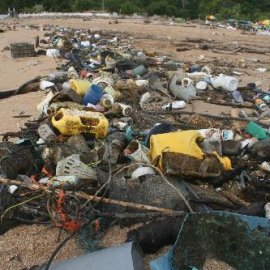
Of all the types of waste in the marine ecosystem, plastic is perhaps the best known: it shows up on beaches, in the stomachs of shore birds, fish and mammals, in the vast, swirling gyre in the Pacific. While recycling technology and acceptance has advanced for glass, metal and paper, only a fraction of plastic is recycled. In this episode of World Ocean Radio, host Peter Neill will argue that we must recover the plastic already in the waste stream, creating incentives, cost benefits and investment opportunities for its capture and reuse.

Beyond Denial

You may need: Adobe Flash Player.

In light of a recent all-night vigil on the Senate floor (see #Up4Climate), World Ocean Radio host Peter Neill was inspired to write this week’s episode, sounding off about the egregious failure of governance with regard to climate change: one of the most pressing issues for the future of human survival.

Themes:

Moral Pollution

You may need: Adobe Flash Player.

Pollution is an excess of any given thing: waste, pesticide, acid, carbon—-any one thing in extreme which tips the scales, compromises stability, security, and survival. Moral pollution is a principle or ideology with a similar effect, and includes greed, hypocrisy, disruption and corruption.

Themes:

Sea Sickness

You may need: Adobe Flash Player.

About World Ocean Radio

Peter Neill, host of World Ocean Radio, provides coverage of a broad spectrum of ocean issues from science and education to advocacy and exemplary projects. World Ocean Radio, a project of the World Ocean Observatory, is a weekly series of brief audio essays available for syndicated use at no cost by community radio stations worldwide. Contact us for more information.

Ocean Acidification

You may need: Adobe Flash Player.

Themes:

The Plastisphere

You may need: Adobe Flash Player.

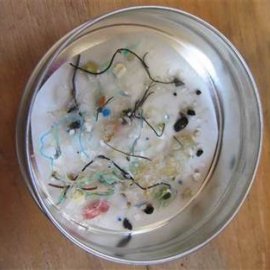
Recent studies by a collaboration of research scientists, institutions and vessels have discovered a new ecological habitat: microbes colonizing and thriving on reefs of plastic that pollute our ocean. In this episode of World Ocean Radio, host Peter Neill will share some of the findings and analysis of the myriad microorganisms discovered there and the complex, synergistic relationships that are developing in these vast new floating mats of disintegrating plastic and chemicals.

________________________________________________________________________

Themes:

Reuse

You may need: Adobe Flash Player.

Themes:

Fracking the Ocean

You may need: Adobe Flash Player.

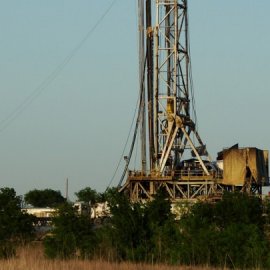
Fracking, a process to extract natural gas from reserves in shale deposits, is in use in over thirty states in the U.S. and is being investigated for use in Africa and elsewhere. It has been utilized for almost ten years in some areas and the outcomes have fueled a heated debate about its practice. In this episode of World Ocean Radio, host Peter Neill will explain what fracking has to do with the ocean: from toxic emissions which increase ocean acidification, to the water cycle--both in the use of vast amounts of fresh water and in the toxicity to the water table.

Themes:

Waste

You may need: Adobe Flash Player.

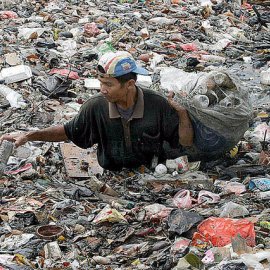
Today, one of the most startling manifestations of waste is the vast accumulation of petroleum-plastic thought to be no longer useful enough to even be recycled. Our landfills and beaches are littered with plastic, a material designed to last forever yet used each day for products and packaging that have no value at the end of their short life cycle. In this episode of World Ocean Radio, host Peter Neill will discuss the seemingly endless life of this swirling, slowly dissolving petrol-detritus and will explain how the particulate matter enters the food chain and affects us all.

Themes: